
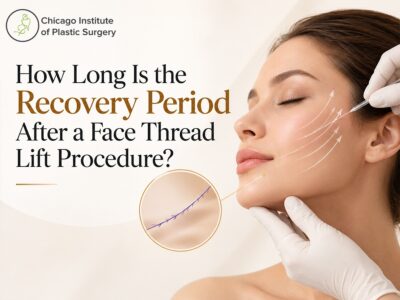
The recovery period following a face thread lift, a minimally invasive cosmetic procedure designed to rejuvenate facial skin by lifting and repositioning sagging tissues, typically extends over several weeks. Initially, patients may encounter mild swelling and bruising, which generally diminish within the first week, although some discomfort can persist. Effective management of these symptoms is essential for ideal healing. For those considering plastic surgery in Chicago, understanding the recovery process is important. As the skin adapts and collagen synthesis is promoted, the visage begins to reveal the more subtle enhancements of the procedure. To fully understand the transformation and the care required in subsequent phases, one must examine the ongoing recovery process and the body’s response over time.
Understanding the Immediate Post-Procedure Phase
Immediately following a face thread lift, patients typically enter a crucial recovery phase that demands careful attention to post-operative care to guarantee ideal outcomes. The immediate effects often include mild swelling, bruising, and slight discomfort, which are common and generally subside within a few days. It is essential for patients to adhere to specific guidelines provided by their healthcare professional to mitigate these symptoms and accelerate healing. Potential risks, such as infection, thread migration, or minor nerve injury, although rare, require immediate attention if symptoms persist or worsen. Patients are advised to maintain minimal facial movements and avoid strenuous activities that could exacerbate these issues. Prompt communication with their surgeon can further guarantee that the recovery process aligns with the expected freedom from complications.
Managing Pain and Discomfort in the First Week
Following the initial post-operative phase of a face thread lift, managing pain and discomfort becomes a primary focus during the first week of recovery. Effective post-operative care includes several pain relief techniques that are essential for ensuring a smooth and less restrictive healing process. Patients are typically advised to use prescribed pain relievers, which help manage acute discomfort. Additionally, the application of cold compresses can considerably reduce swelling and provide temporary pain relief. It’s essential for patients to follow a structured schedule for medication and utilize gentle, non-invasive methods to alleviate discomfort. For individuals considering tummy tuck surgery in Chicago, understanding post-operative care is equally important. Ensuring adherence to these guidelines not only aids in pain management but also accelerates the overall recovery, granting patients greater freedom and comfort during this critical period.
Monitoring and Caring for Your Skin During the First Month
As the first month of recovery progresses, careful monitoring and caring for the skin are essential to prevent complications and guarantee optimal healing after a face thread lift. Implementing a regimen centered around skin hydration and gentle cleansing is critical. Ideal hydration can be maintained by applying non-comedogenic, hypoallergenic moisturizers that support skin barrier function without causing irritation. Gentle cleansing should be performed using soft, non-abrasive materials and mild, pH-balanced cleansers that do not strip the skin of its natural oils. It is important to avoid any harsh rubbing or pulling on the skin, which can disrupt the sutures and negatively impact the healing process. Regular follow-up visits should be scheduled to assess the progression of healing and adjust care protocols as necessary.
Long-Term Expectations and Follow-Up Care
Once the initial month of post-operative care has been successfully completed, attention shifts to the long-term expectations and follow-up care required after a face thread lift. Patients can anticipate gradual improvements in facial contours as the threads stimulate collagen production, enhancing skin firmness and reducing sagging. The longevity of these long-term results largely depends on individual factors such as age, skin quality, and lifestyle choices. For those considering brazilian butt lift surgery in Chicago, understanding long-term expectations and follow-up care is equally important.
Scheduled follow-up appointments are essential for monitoring progress and addressing any concerns. Typically, these occur at three, six, and twelve months post-procedure. During these sessions, medical professionals assess the healing process and the effectiveness of the treatment, ensuring that the desired aesthetic outcomes are achieved and maintained. Adherence to these appointments optimizes the procedure’s success and patient satisfaction.