
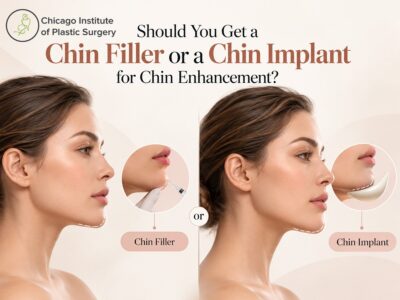
When considering chin enhancement, individuals must weigh the benefits and drawbacks of chin fillers versus chin implants. Chin fillers, consisting of biocompatible materials like hyaluronic acid, offer a non-surgical option with minimal recovery time, appealing to those seeking temporary, subtle improvements. On the other hand, chin implants promise a permanent solution but involve a surgical procedure with a longer recovery period. For individuals exploring chin enhancement options, plastic surgery in Chicago can be a resource for learning more about available procedures. Each modality caters to distinct aesthetic goals and tolerance for invasiveness, compelling a thoughtful evaluation before proceeding.
Understanding Chin Fillers: Composition and Application
Chin fillers, primarily composed of hyaluronic acid, a substance naturally found in the body, offer a minimally invasive option for enhancing facial symmetry and proportions. Various filler types cater to diverse needs, with some providing more volume or projection than others. Key application techniques include linear threading, where the filler is injected along lines for a smooth contour, and cross-hatching for more pronounced augmentation.
Professionals meticulously assess facial structure before recommending a specific type or application method, ensuring that the results align with the individual’s aesthetic goals. This approach empowers individuals by providing them the freedom to tailor their appearance subtly or more dramatically, depending on their personal preference, without the permanence of surgical interventions.
The Surgical Path: What to Expect From Chin Implants
While chin fillers offer a non-surgical route to facial enhancement, chin implants present a more permanent solution for those seeking significant alterations in jawline structure. The procedure involves advanced surgical techniques where an incision is typically made either under the chin or inside the mouth. Through this incision, a specially designed implant made from biocompatible materials such as silicone or polyethylene is inserted. These implant materials are chosen for their durability and compatibility with human tissue, ensuring a natural integration with the existing bone structure. The surgical approach requires precision and understanding of facial anatomy to achieve desired aesthetic outcomes while minimizing potential risks. For individuals exploring abdominoplasty surgery in Chicago, understanding the surgical approach and recovery expectations is also important. Post-operatively, patients can expect a recovery period during which the impact of these permanent enhancements becomes fully apparent.
Comparing Costs: Financial Implications of Fillers vs. Implants
Evaluating the financial implications of chin fillers versus implants reveals a diverse spectrum of costs influenced by factors such as procedure complexity, longevity of results, and material used. A cost analysis shows that fillers, typically less invasive, require periodic renewals, leading to recurring expenditures. Conversely, chin implants involve a higher initial cost but are a one-time expense with enduring outcomes. Budget considerations are significant; fillers may appear more affordable short-term, yet over time, the cumulative cost can surpass that of an implant. Patients seeking a cost-effective, long-term solution might lean towards implants, whereas those valuing lower upfront costs and non-permanency might opt for fillers, aligning their financial decisions with their personal freedom and lifestyle preferences.
Evaluating Risks and Recovery Times: Fillers vs. Implants
How do the risks and recovery times of chin fillers compare to those of chin implants? Chin fillers, typically injectable dermal fillers, generally present fewer risks and require minimal recovery time, allowing patients to resume daily activities almost immediately. Common side effects include temporary swelling, bruising, or redness at the injection site. In contrast, chin implants, being a surgical option, involve more significant risks such as infection, displacement, or adverse reactions to anesthesia. For individuals considering eyelid plastic surgery in chicago, understanding the potential risks and recovery time is equally important. Recovery from chin implant surgery can take several weeks, during which patients may experience discomfort, swelling, and restricted movement. Both options have their unique recovery experiences, but fillers offer a quicker return to normal activities, appealing to those who value minimal downtime.
Long-Term Results: Choosing Between Temporary Enhancements and Permanent Solutions
When considering chin enhancement procedures, patients must weigh the long-term outcomes associated with temporary fillers versus permanent implants. Temporary fillers offer a non-committal approach, allowing individuals to test modifications without a permanent commitment. Typically, these fillers last from six months to two years before naturally dissipating, requiring repeated sessions to maintain the desired effect. On the other hand, chin implants provide a lasting solution, embedding a specially designed material to structurally enhance the jawline permanently. This option demands a greater initial investment and commitment but eliminates the need for ongoing treatments. Deciding between temporary results and a permanent solution involves considering personal lifestyle, financial flexibility, and satisfaction with short-term effects versus long-term stability.