
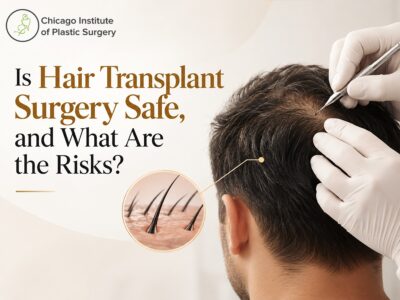
Hair transplant surgery, while generally safe when executed by skilled professionals, entails inherent risks that potential candidates must consider. Techniques such as Follicular Unit Extraction (FUE) and Follicular Unit Transplantation (FUT) differ in procedure specifics and associated safety concerns, including infection risks and post-operative complications like swelling or numbness. For those considering plastic surgery in Chicago, evaluating these risks against the backdrop of a patient’s medical history and the surgeon’s qualifications is essential. Understanding the full scope of potential complications is vital for anyone considering this procedure.
Understanding Hair Transplant Techniques and Their Safety Profiles
While numerous hair transplant techniques are available today, each comes with its distinct safety profile that merits careful consideration. The Follicular Unit Extraction (FUE) technique, favored for its minimal invasiveness, involves individually harvesting follicular units from the donor area. This method typically results in less visible scarring and reduced post-operative discomfort compared to other techniques. Conversely, the Follicular Unit Transplantation (FUT) technique involves excising a strip of scalp from the donor area, then dissecting it into individual grafts. While FUT allows for a higher volume of grafts in a single session, it generally entails a more significant recovery period and greater scarring. Both methods require highly skilled execution to mitigate risks and optimize outcomes, underlining the importance of selecting experienced professionals.
Common Side Effects and How to Manage Them
Many patients undergoing hair transplant surgery experience side effects, though these are generally mild and transient. Swelling is a common issue; it typically manifests around the forehead and subsides within a few days. Effective swelling management includes applying cold compresses and maintaining an elevated head position during sleep. Itching, another frequent side effect, often occurs as the healing process progresses. For itching relief, patients are advised to use prescribed medications and avoid scratching the treated area to prevent infection. Ensuring proper hygiene and following the surgeon’s post-operative care instructions precisely also play vital roles in managing these side effects. For patients considering treatment at a cosmetic surgery center in Chicago, following professional aftercare guidance is equally important. Adhering to these guidelines helps minimize discomfort and supports a smoother recovery.
Serious Complications Associated With Hair Transplant Surgery
Although most side effects of hair transplant surgery are mild and temporary, patients should also be aware of the potential for serious complications. One of the more significant risks involves infection at the site of the surgery. If not properly managed, infections can lead to severe skin complications and may require additional medical intervention. Another critical risk is related to anesthesia. Anesthesia complications can range from minor allergic reactions to life-threatening respiratory issues. It is essential that patients disclose their full medical history to assess their risk factors for anesthesia-related problems effectively. Such complications, while rare, underscore the importance of choosing a highly qualified and experienced surgeon to minimize potential risks and guarantee the safest possible outcome for the patient.
Choosing the Right Surgeon: Credentials and Experience Matter
Selecting an appropriate surgeon is vital when considering hair transplant surgery, as the qualifications and experience of the professional play an essential role in ensuring a successful outcome and minimizing risks. Prospective patients should rigorously assess surgeon qualifications, including board certifications and specialized training in hair restoration procedures. It is important to verify the surgeon’s affiliation with reputable medical associations and their adherence to ethical standards. In addition, evaluating patient reviews provides insights into the surgeon’s track record, showcasing real-world outcomes and patient satisfaction levels. For individuals considering liposuction surgery in Chicago, carefully evaluating the surgeon’s credentials and experience is equally important. This thorough vetting process enables individuals to make informed decisions, fostering a sense of empowerment and autonomy in their journey towards hair restoration, ultimately ensuring greater safety and efficacy in the procedure.
Pre- and Post-Operative Care to Minimize Risks
Effective pre- and post-operative care are critical components in minimizing risks associated with hair transplant surgery. Prior to the procedure, a thorough pre-operative assessment is conducted to evaluate the patient’s health status and scalp condition, ensuring suitability for surgery. This assessment helps in customizing the procedure to individual needs, thereby enhancing safety and outcomes. After surgery, patients are provided with detailed post-operative instructions which typically include guidelines on wound care, medication usage, sleep positions, and activities to avoid. Strict adherence to these instructions is essential to prevent infection, reduce swelling, and promote proper healing. By closely following these medical directives, patients can greatly mitigate potential complications and foster an ideal recovery environment.