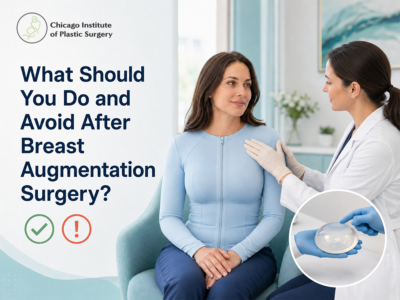
After breast augmentation surgery, you should keep the incision area clean and dry, follow your surgeon’s medication regimen, and manage pain with prescribed relievers or gentle methods like cold compresses. For those considering plastic surgery in Chicago, discussing your recovery expectations with a qualified surgeon can provide helpful guidance. It’s important to monitor for signs of infection or unusual changes in breast shape and consult your doctor if concerned. Avoid vigorous physical activities, especially those stressing the upper body. For a balanced recovery, mix rest with mild activities like short walks. Sticking to these guidelines will guarantee better healing and further insights for care.
Understanding Post-Surgery Care Instructions
After your breast augmentation surgery, it is crucial to follow your surgeon’s care instructions carefully to guarantee a smooth and successful recovery. Prioritizing post-surgery hygiene is critical. If you are considering nose job surgery in Chicago, discussing your treatment goals and recovery expectations with a qualified surgeon can also help you make informed decisions. You’ll need to keep the incision areas clean and dry, which prevents infection and promotes healing. Adhere to any specific cleaning methods recommended by your healthcare provider.
Equally important is medication adherence. Strictly follow the prescribed medication schedule to manage any potential risks and enhance your recovery process. This includes taking all antibiotics as directed, even if you feel fine, and adhering to any pain management protocols set by your surgeon.
Managing Pain and Discomfort Effectively
While managing your recovery, it’s vital to address pain and discomfort effectively to facilitate healing and comfort. Post-surgery, it is important to employ pain relief techniques tailored to your specific needs. Engage in medication management, which involves taking prescribed pain relievers according to the schedule set by your surgeon. Consulting experienced cosmetic surgeons in Chicago can also help you understand appropriate pain management and recovery guidance for your procedure. This regimen not only eases your discomfort but also prevents peaks and troughs in pain levels, allowing you a more comfortable recovery. Additionally, explore non-medicinal methods such as cold compresses or gentle massage around the non-operated areas, if approved by your doctor. Remember, managing pain isn’t just about taking medication—it’s about listening to your body and adjusting your pain relief strategies to guarantee your freedom and comfort throughout the healing process.
Monitoring Your Health for Potential Complications
As you navigate through the recovery phase, it is important to monitor your health for any potential complications that might arise. Vigilant health monitoring after breast augmentation plays a significant role in ensuring a smooth and safe healing process. Keep an eye out for complication signs such as unusual swelling, severe pain not alleviated by prescribed medications, redness, or discharge at the incision sites. These symptoms can indicate infection or other issues that require prompt medical attention. Additionally, monitor for changes in breast shape, skin temperature, or unusual hardness, which could suggest complications like capsular contracture. Remember, while independence in managing your recovery is valuable, don’t hesitate to seek professional advice if you notice any worrying signs.
Engaging in Appropriate Physical Activities and Rest
Balancing rest with gentle physical activity is essential for your recovery following breast augmentation. Initially, you’ll need plenty of rest; however, incorporating light exercises can greatly enhance your healing process. Start with short walks around your home to promote circulation and reduce the risk of complications like blood clots. As your body starts to heal, you can gradually return to more substantial activities, but it’s important to listen to your body and avoid pushing yourself too hard.
Avoid exercises that strain your chest or upper body for at least the first six weeks. Consulting your surgeon before resuming any strenuous workouts is necessary. They can provide guidance tailored to your specific recovery needs, ensuring you regain your strength safely and effectively.